Ipek Williamson
Founder & CEO at Ipek Williamson Coaching

Are you navigating a period of change, uncertainty, or growth—as a leader, a team, or an individual? Whether you're an executive leading transformation, a team striving for alignment,...
Show More
- Leadership Development: Strengthening leadership presence and decision-making skills
- Change Management Strategies: Navigating organizational transitions with resilience
- Mindfulness Practices: Integrating meditation for workplace well-being
- Emotional Intelligence: Building strong interpersonal relationships at work
- Team Collaboration Techniques: Enhancing communication and collaboration in teams
Meet the mentor



TALK SHOW VIDEOS




Tricky Workplace Situation Handled
- Not being able to understand the interconnectedness and its importance. Not seeing what struggles people who work in the background to provide for others. Not being empathetic on what others might be going through.

- It makes us feel like part of the team. Creates an environment of collaboration and connection.

- What you share with others creates an opportunity for discussion which brings the possibility to get new perspectives on what is created.
- Being proactive. Creating a win-win situation
202082124027.jpg)
- I would use metaphors and real-life examples to make it easy for them to visualize.

- Very moving and motivating. Makes me want to be better in everything I do related to my clients and my business.

- By providing an extremely high level of service to my clients.
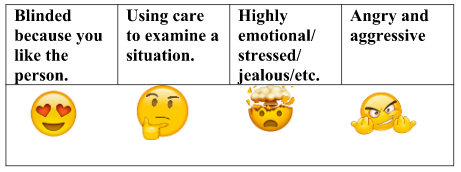
- Using care to examine a situation definitely helps to see both sides of the equation, while highly emotional, angry, reactive approach fails. When one can move away from emotions, objectivity blooms.
- When you have a soft spot for someone or a negative prejudice toward them due to earlier experience with them, it clouds your impartiality. Objective judgment requires being fair, open and honest.

- The effect of a biased judgment would never be positive. Even if not in the short run, definitely in the long run. When emotions, past experiences and prejudice is involved, you cannot expect to make a healthy decision.
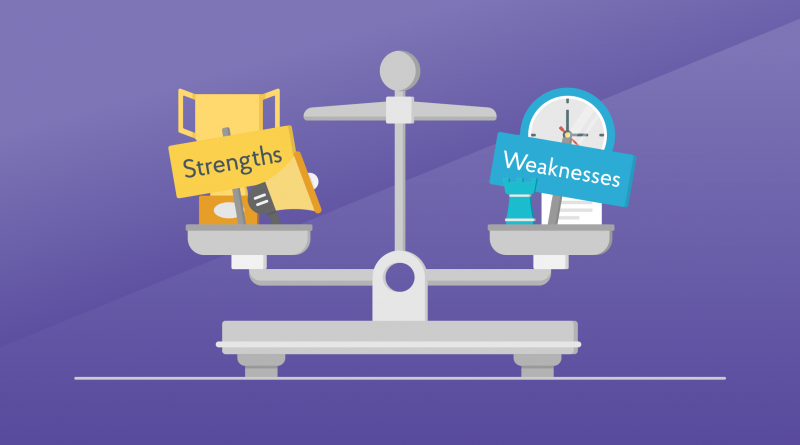
- If we acknowledge our strengths, we could use them to go further in our area of expertise. Also by pinpointing our weaknesses, we could see where we need correction and improvement. Therefore, it's very important to be aware of both.

- Practical, focused, goal oriented, creative, good listener, problem-solver
- Impatient, self-confidence issues, doing too many things at once

- By acknowledging them, by accepting their presence and by making plans to promote our strengths further and remove as many weaknesses as possible by working on them one by one.

- Because it gives us a lot of information on the candidate's approach, how they acted and why they acted that way. It shows that they understand the importance of active listening, paying attention to the customer's state of mind and that they are knowledgeable on de-escalation, being respectful and professional.
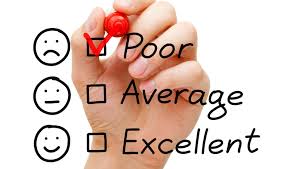
- This answer tells us that the candidate sees their role as just a job and making a good impact or representing the image of the brand is not that important to them. Is not ready to taking initiative and handling the request without consulting a supervisor.

- I don't have an interview coming up but if there would be one on customer service. The answers might have been as follows. Poor: I would take the request to my supervisor and let her/him deal with it. Average: I would help the customer with their request, only after consulting my supervisor and getting her./his approval Good: As I am well aware of company policies, I know what I need to do and how to handle customer requests and I would deal with them quickly and in a professional manner. Excellent: I would listen to the customer and observe their state of mind and plan my feedback accordingly in an empathetical way. I would set the tone of my voice in a way that would make the customer feel heard, acknowledged and understood. Act quickly, respectfully and helpfully so that the customer could leave satisfied and happy.

- Soft skills in the customer service field are very important to develop. Emotional intelligence is the area that you would want to improve in your formation as a customer service candidate. Being polite, professional, understanding and easy-going with a positive attitude is very important to be successful in this area.

- To see whether or not the candidate is within their salary limits. Also to understand the salary expectation of the candidates for the advertised position and see if it matches with their offer.

- Learn as much as I can about the company and the position and see how what I have learned matches with my background and strengths. Clear any possible distractions from my schedule that might interfere with my interview. Set a time with a friend to do a mock interview to get ready for the actual interview.
- Professionalism is very important in impressing recruiters. Be professional and positive, be respectful of the interviewer's time, express your interest in the position and why. Going to an interview well prepared and with knowledge about the company, position, even interviewer is crucial to leave a good impression on the recruiter.

- Hidden fees that you find out at the end that were not mentioned before, especially if not explained the reason why they are included in the final cost hurts the trust relationship between the potential customer and the seller. Therefore, my opinion is that Sarah will not finalize the purchase until she does more research and tries other suppliers first or gets a really good explanation from the seller about the 25% extra that they add to the total.

- They could have been more transparent about the real cost of purchase. They could have informed their potential customers about hidden fees at an earlier stage in the purchasing process and they could have explained without leaving room for any questions why the extra 25% is added to the total.

- Be proactive and see what kind of questions keep coming from customers and be ready with satisfactory answers for those questions beforehand so that calls could be handled quicker.
- Could ask their supervisors what extra initiatives they could be given so that instead of coming up with this response, they could be more accommodating for the customers.

- I could have been more empathetic, focus on the problem rather than the person and come up with a solution rather than deflecting the problem.
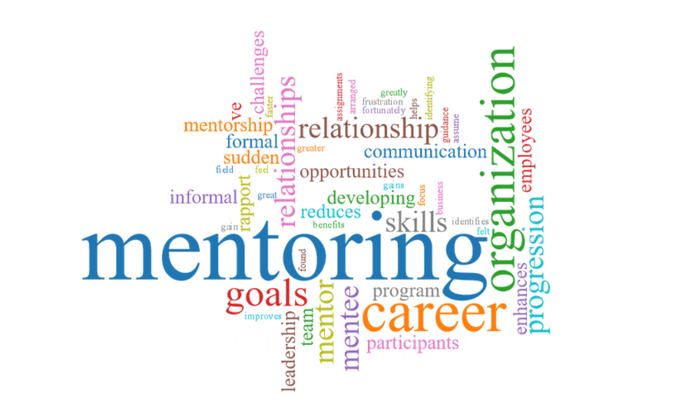
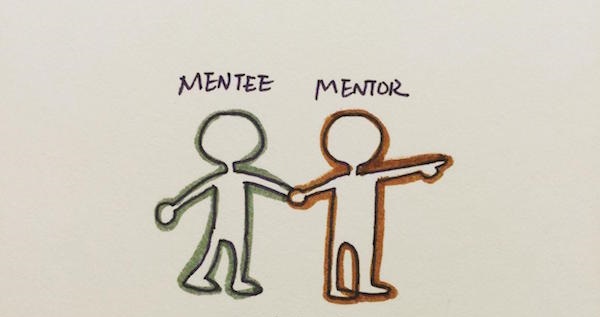
- I would mentor them on communication and listening skills. Create an environment where e can improve their emotional intelligence and empathy.

- Preparing questions on the situations and problems that seem to come up often, see how they react and what solutions they bring and see if their responses match with our expectations.

- If their approach to situational questions are not professional, if their answers or solutions are superficial and if they don't seem to have experience in dealing with similar situations, they might not be the right candidate for the position.
202058152517.jpg)
- Poor: I would not know how to deal with this situation. Average: I would ask my supervisor's help on how to handle the situation. Good: I would listen to the people involved carefully and see what together we can come up with to correct the situation. Excellent: I would express my acknowledgment and empathy for the situation, get all the facts, consult if need be anyone who could help to solve the problem and get back to the complaint with a viable, acceptable and constructive solution for all parties involved.

- Always be positive, see how the situation could be handled the best.
- I would ask myself; how do they want to feel? If I were in their situation what would I want to hear from the person who is there to help me? And I would speak with a tone and expression that tells them that care about them and their problem and that I am happy to help in any way I can to solve it.

- An informal email that is casual in grammar, style, and tone sounds like a conversation you would have with a close friend. Informal and casual greetings, using all caps, using emojis, making jokes turn the email correspondence into unprofessional communication.
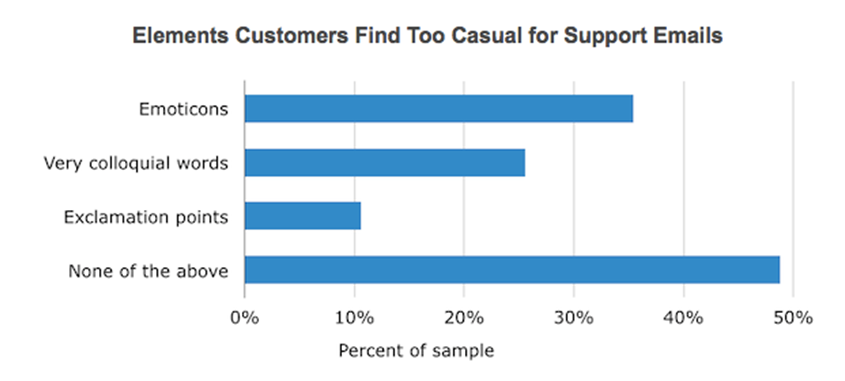
- We need to keep our tone positive and should refrain from using negative words or statements in all communications as the goal should always be to create constructive communication with the customer.
20208215458.jpg)
- The most important skill to create a positive and effective conversation with the customer is to be a good listener and to understand the state of mind the customer is coming from. When we do that, we can hear where their frustration is coming from, what is their main problem and their expectation so that we can accommodate it well through an appropriate approach and tone.

- Creativity, problem-solving abilities, avant-garde approach.
- By thinking out of the box. By fostering the right environment for innovative ideas to flourish. By also putting themselves in their target market's shoes, being empathetic toward targeted customers and their needs.

- I am a one-person company, and my mission is definitely to bring out the innovative side of my client.

- An environment where everyone's ideas are heard and valued definitely promotes the innovative mindset of the team members. When they believe that nothing is a bad idea, even when less than a good idea could be worked on until it becomes a mind-blowing discovery.