Kimberly Morse
Dissertation chair -adjunct at Carolina University

I empower leaders and organizations to reach their highest potential. With expertise in leadership development, organizational development, and talent management, I design and implement...
Show More
- Leadership Development Strategies: Techniques to enhance executive performance effectively
- Organizational Change Management: Navigating transformations with proven methodologies
- Diversity and Inclusion Practices: Building effective workplace equity initiatives
- Talent Management Frameworks: Strategies for optimizing employee performance and engagement
- Dissertation Writing Support: Guiding scholars through research and writing phases.
Meet the mentor



TALK SHOW VIDEOS
Tricky Workplace Situation Handled
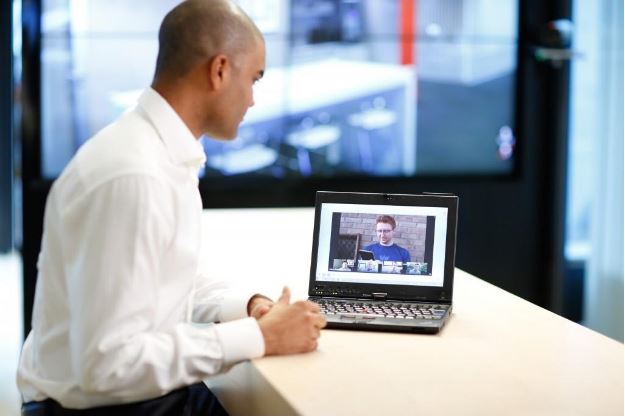
- Professional demeanor. Inability to read complete body language. The reliance on technology to work in order to have questions answered. There may be background noises in virtual interviews that aren't present in-person. People report that virtual interviews feel less professional because of the reliance on a person's home environment. Often, It can be more challenging to conduct a group interview with a candidate and it may be more confusing for the candidate to have multiple people on one virtual interview.
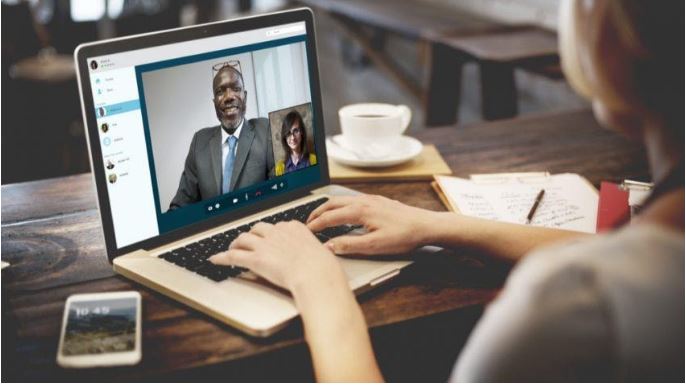
- Greater flexibility Check a person's tech savviness right off the bat. You can be anywhere to conduct the interview. You're not restricted to one location. You can have information readily available via email Most people feel more comfortable in their own environment Can get better insight into the person you are interviewing in their home environment
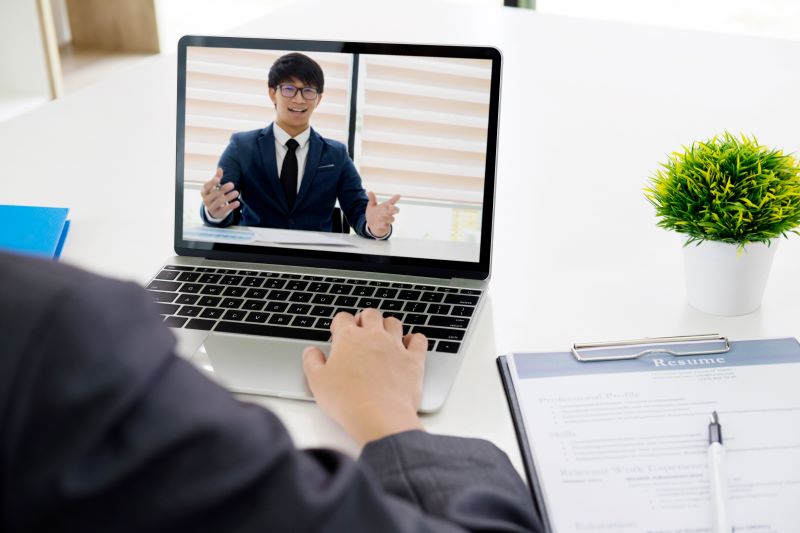
- 1. Send a reminder for the candidate that you have a meeting. 2. Give the candidate a guideline on how he can use the web-based technology. 3. Run a technical check on your side (e.g., camera, sound, headset, speaker, etc.) 4.Test the background. The lighting should be well-lit and the background shouldn't be too distracting. Check if anything looks cluttered on your end. 5. Be in a quiet and free room from distraction. 6. Look into the camera when speaking (making eye contact through the camera.) 7. Dress Professionally 8. Listen Actively 9. Create a comfortable environment to unnerve a candidate by smiling, nodding, and actively listening, etc. 10. Make small talk.
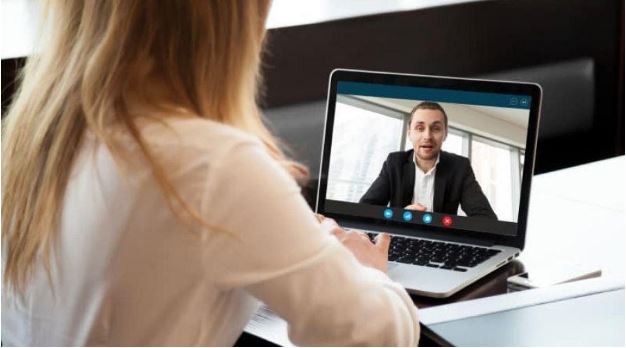
- Tony should have provided the candidate with the necessary technical information needed so the candidate could test the technology. If technological issues persisted, Tony should have offered to reschedule the interview, or take some time to grab some water and decompress. Tony further needed to stay focused and reassuring to the candidate. Technical issues can be frustrating, Tony needs to be aware of his own reactions and environment and be aware that it makes it difficult for the candidate to be successful with a distracted interviewer or environment. Once technical issues were resolved, Tony should have ensured that he was in a quiet place with as few distractions as possible. Preferably in an office by himself.

- I often teach interviewing skills through role playing. I conduct mock interviews so they can understand what different interviewing styles look like in a virtual environment, and then when they see an example of a "do" versus a "don't" they can practice on me themselves. Once a person sees what not to do, I discuss with them. I let them tell me what I did wrong, and what I did right. Then they apply that knowledge.
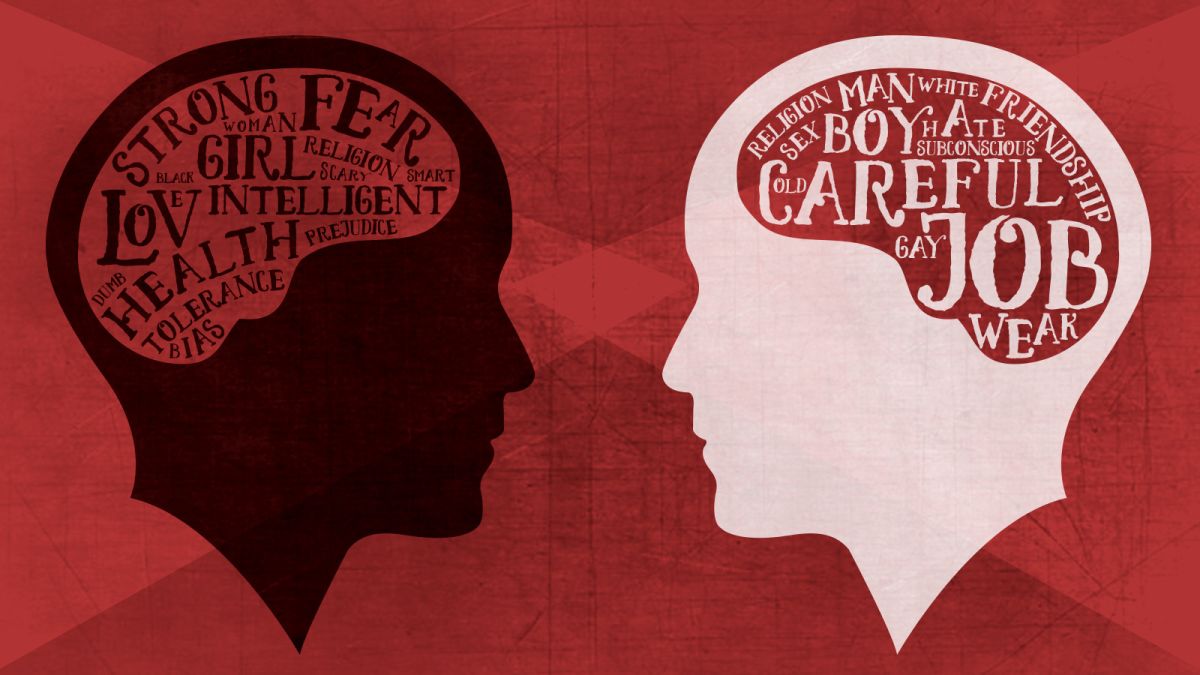
- We may fear one race because of their skin color. We may make assumptions about their abilities because of their ethnicity (i.e. assuming all Asians are good at math), or that they have a higher intelligence because they wear glasses. Unconscious bias can affect our decisions and beliefs about people and changes how we treat them, either positive or negative, and creates an unfair system for them and potentially limits our own growth. Unconscious bias can lead to hate, discrimination, even relational problems with others.
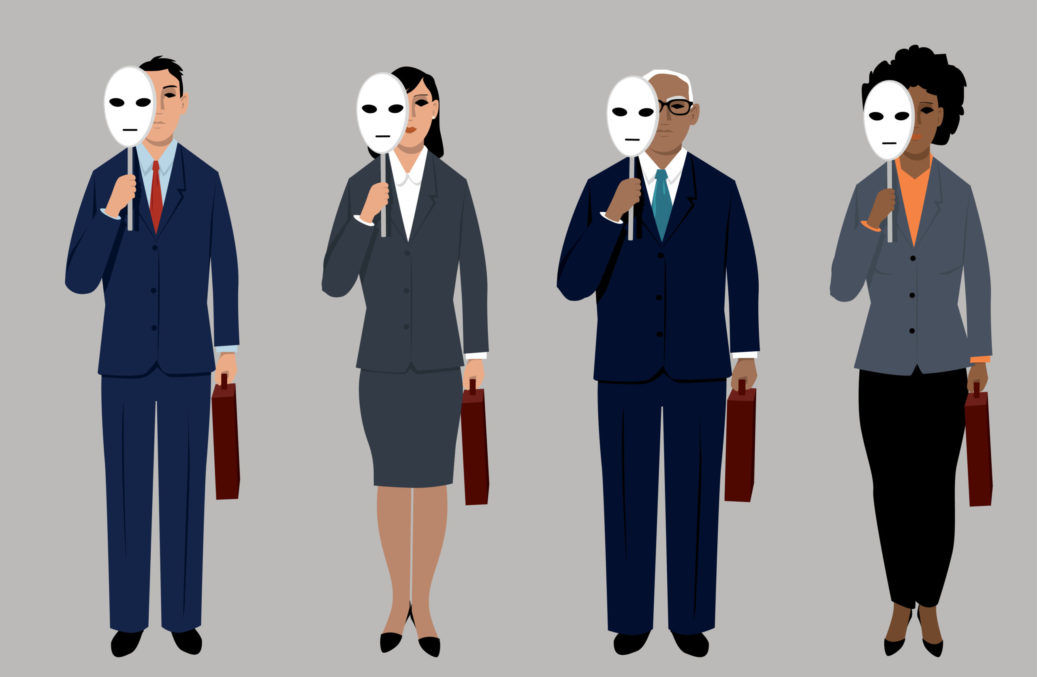
- 1. Identify your unconscious bias. Think of a time when you acted on your bias. When was that, what kind of situation were you in and why did you act that way. 2. Observe your trigger points. When do you act on your bias? Is it when you are feeling anxious? When you are around a certain group of people? When you are in meetings? Write down a list of events when this happened to learn more about situations, people, and types of moods that are triggered. 3. Learn to take a moment before making these snap judgments and actions. Take a deep breath. 4. Start to do things differently. Avoid being trapped by your irrational actions. Actively work on silencing your unconscious bias. Get to know people you would normally avoid, get out of your comfort zone; try to learn about people from different backgrounds and cultures.

- This skill can be more challenging to mentor. I would first talk to that person about people they like, find out why. Talk to them about people they dislike, and have them articulate why, what it is about the people that they don't like. See if they can identify any trends (i.e. mostly women, mostly men, or race or ethnicity or socioeconomic status, etc.). I would also likely have them take an implicit bias assessment for them to learn about their own implicit biases. Then I would discuss with them how the assessment made them feel, and really work with them on addressing misconceptions about others and the way that the mentee feels, thinks, and behaves towards others. I would likely also have them meet lots of new different people so that they can learn about others in positive ways that contribute to positive relationships and help them be aware of their biases so they can work to address their behaviors.
- I would teach them through the use personal experience. Often, when people draw on their own experiences or remember a time when they were the outcast and how they had to prove they were worthy, what did they do, how did they do it, and what did the other person gain. These insights help people understand both sides

- First, we need to build respect within and outside of the industry. There is a perception that only certain people belong as police officers. That perception tends to focus on what is traditionally considered to be male traits: strength, endurance, speed, problem solving skills, etc. Women are routinely considered to be inferior in the police force, despite no evidence to support that. Raising awareness and providing language in policies that promotes inclusion can help to address the need for greater diversity. But that's only a start. Changing the way police talk about and to one another and creating an environment where people are valued and not belittled based on physical traits would be a step in the right direction. Teaching people to refrain from the sexualization of the female body would be essential. Additionally, teaching people about the differences and different strengths people bring can encourage people to be more inclusive and accepting of others, especially those to be considered outsiders. Agencies can celebrate the unique strengths that women can bring to policing and can increase how people talk about minority populations in policing can increase acceptance and tolerance.

- Agencies can use phrasing that is more gender neutral or specific to the inclusion of women. Agencies can actively recruit females with similar skills and abilities as their male counterparts at the same level. Agencies can refrain from practices that hold women to higher academic and achievement standards than male counterparts Agencies can offer equal compensation for women and men Agencies can offer better work/life balance policies and protections
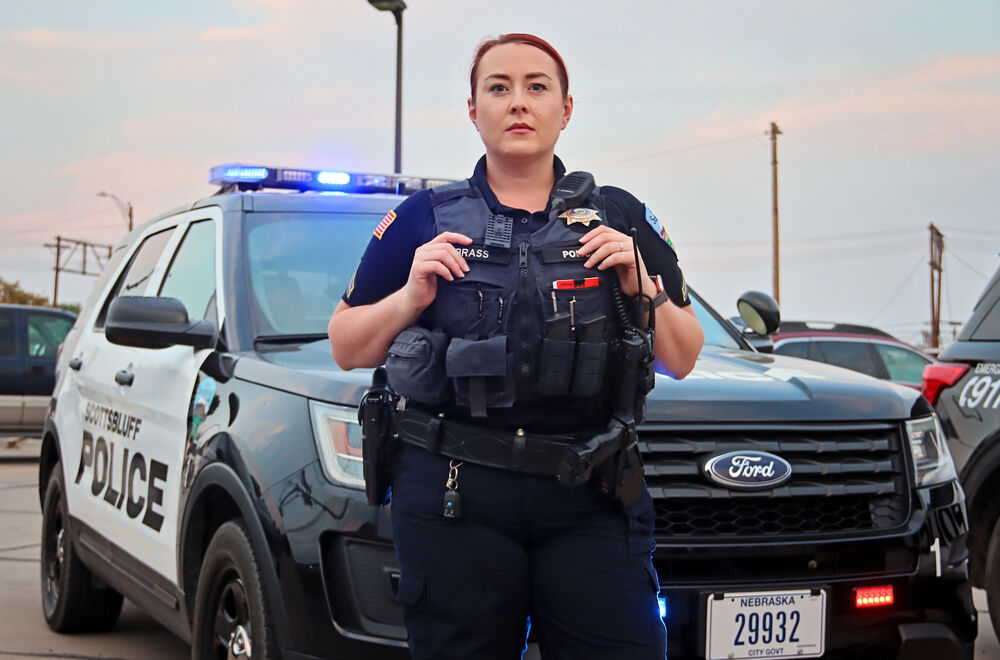
- Men can serve as advocates for their female counterparts to use their voices and their position of privilege and power to ensure that women are not perceived as "less than" in their field. They can celebrate the successes of their female counterparts and treat them with respect. Men can stand up against sexism and inherent belittling of women - refrain from using "pet" names (honey, sweetie, doll, etc.). Men can further ask women what they need, rather than assume, especially when a woman is pregnant or may be nursing. Ultimately, opening their minds and asking questions will help men be more aware of the issues that women face.
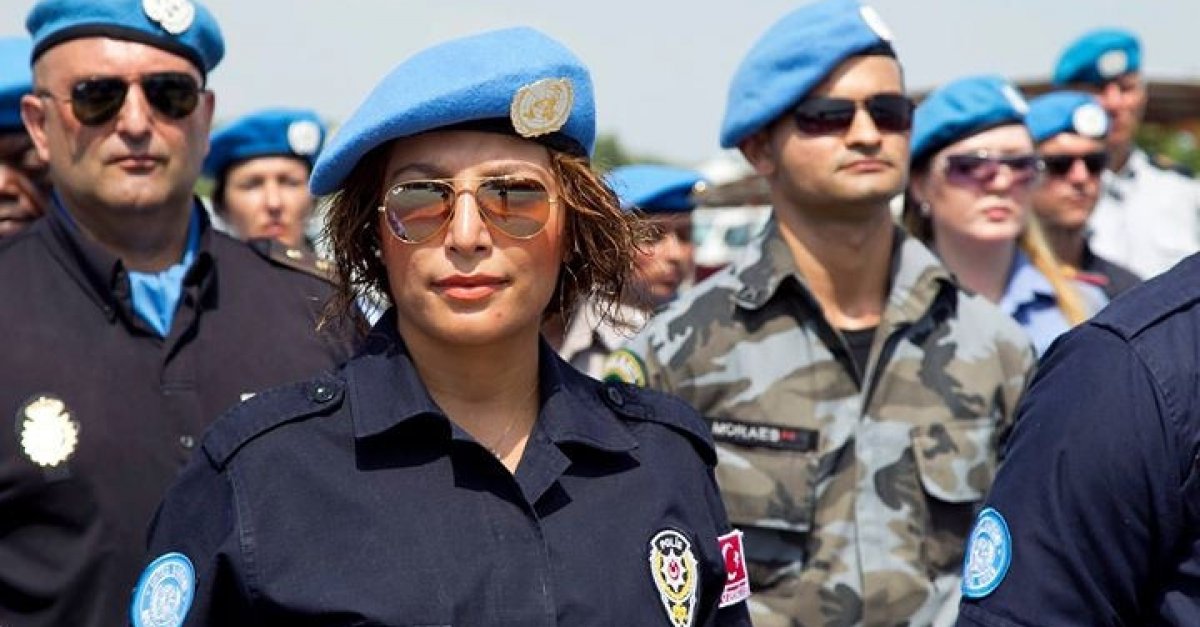
- Physical tests that cater to men Police policies that are gendered towards men Sexism within the police force - only certain women are accepted as "real" police officers Female victimization - women in police forces are often victims of sexual harassment by colleagues and citizens. Unfair family planning practices that make it difficult for women to complete their job tasks successfully.
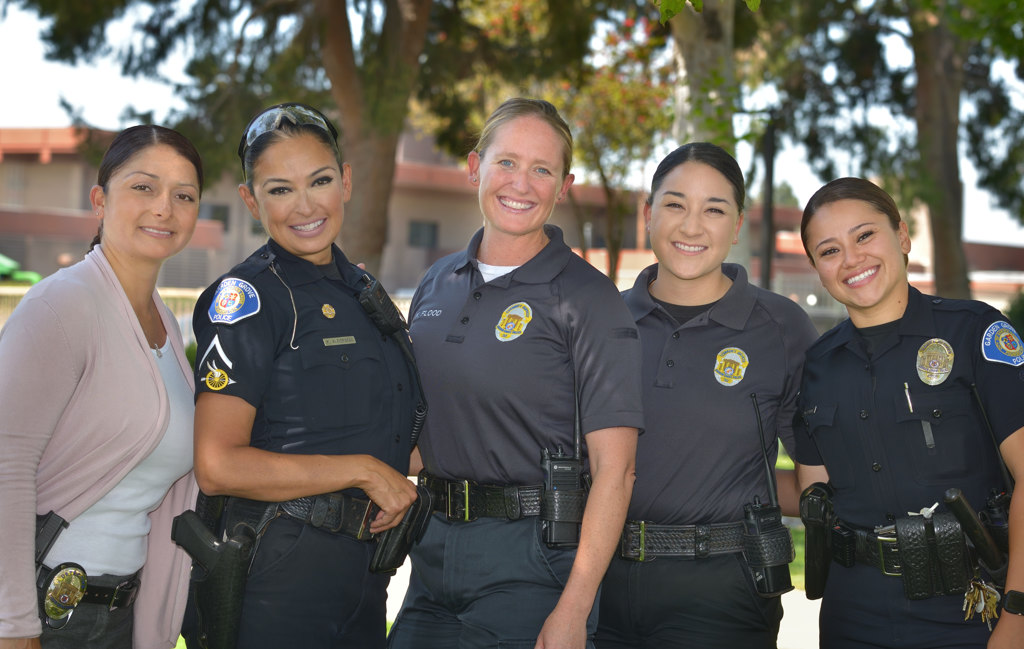
- Largely, there are continued societal beliefs that women are physically inferior to men; therefore, they are incapable of handling the physical demands of being an officer. Additionally, women are believed to be more emotional and irrational, which, as is erroneously believed, to lead to poor decision making skills in emergent or dangerous situations. Unfortunately, continued societal beliefs persist, despite research and support on the contrary. Further, in many places, women are discouraged from roles that are perceived to be traditionally "male" roles. Women are largely encouraged to hold roles that are considered to be more caring or utilizing skills perceived to be "mothering" skills.

- Engage with persons with disabilities as people, not their disability. Talk about the contributions that persons with disabilities provide. Understand and create an environment of inclusion. Change the language and verbiage used to talk about persons with disabilities. Provide accommodations that help persons with disabilities Do not blame persons with disabilities for their disability. Understand that they are not trying to get special treatment. Actively listen to persons with disabilities. Recognize that not all disabilities are seen, many are invisible, but invisible does not mean less valid.
- On the individual: difficulties in managing mental illness, lower self-esteem, greater levels of depression, higher incidences of suicidal ideation. Lower productivity, higher rates of truancy and high turnover, lower levels of professional achievement. On the organization: it can cause morale drops, organizational conflict, reduction in productivity, increase in counterproductive work behaviors.
- First, I would ask them about their perceptions of persons with disabilities. I would then ask them about their perceptions of invisible illnesses, such as autoimmune diseases and mental illnesses. I would use my own disability to help them understand that I am no less capable of exceptional work, even though I have an invisible illness. I don't look sick, but I am. Often, when people realize that I am fully able to contribute in a meaningful way, their perceptions change. When I ask for help, it's that I truly need some assistance, and can be able to fully function at my 100%. Often, having the conversation and being able to relate to someone with an invisible illness, like autoimmune disease or mental illness or other, people are able to recognize that persons with disabilities are having battles they can't even imagine and we are already doing far more to contribute in meaningful ways. They become more empathetic and willing to be more understanding.