Martin Kubler
Chief Sloth at The Gluttonous Sloth

I help founders, teams, and organisations step back, figure out what’s actually going on, and fix what’s not working - before building what comes next. Most businesses don’t have a...
Show More
- Marketing Strategies for Startups: Effective branding techniques for new businesses
- Digital Transformation in Hospitality: Adapting traditional services to modern technology
- Innovation in Customer Experience: Enhancing client interactions through creative solutions
- Leadership Development for the Hospitality Sector: Empowering future leaders in restaurant management
- Strategic Marketing Planning: Crafting effective marketing frameworks for growth.
Meet the mentor



TALK SHOW VIDEOS

Tricky Workplace Situation Handled

- - Establish a succession plan, because then you have one more reason to start delegating and it's visually in front of you - Maintain open communication channels, so that everybody knows what the others are working on - that way, it is easier for someone to share his/her opinion about a task, which can be a good indicator that something could be delegated to that person - Encourage everyone to keep learning and to get involved in the overall effort. That's to say there should be no such thing as "This is not my problem".
202051192643.jpg)
- All of these statements are probably true for many people. They were certainly true for me in the past. The problem is that by not delegating, one eventually does not have enough free capacity to do the things one really ought to do, which is usually grow the company/revenue. It is hard, especially for people who have started a company by themselves, "to let go" and trust that others can do a job sufficiently well. The key is that they don't have to do it 100% perfect, because 100% perfection is an illusion. They might do it differently and get 80% perfection. This will still be more than sufficient, but it's not an easy thing for someone to accept very often. One becomes to set in one's ways that it is hard to accept that there are other ways of doing a task and that 80% is still good.
- Naturally knowing your team starts with regular evaluations, preferably more than just an annual appraisal. Also, open communication is very important, so that people feel that they are taken seriously and actually want to take on new tasks. This also means that processes have to be clear, outcomes defined, and the goals specified, and, of course, it includes praising employees for successfully taking on jobs that were delegated to them.
202082172820.jfif)
- I would talk about how I almost failed in my own company and burnt out, simply because I could not delegate. I would then explain how I learned this lesson and started delegating and how great results were achieved in the process.

- I had to look up the exact definition of "resilience", because while most people have heard of it, it's not a very clear cut concept. I found that it means "Psychological resilience is the ability to mentally or emotionally cope with a crisis or to return to pre-crisis status quickly. " - based on this, I'd say that Janet has more resilience, because of her more balanced life-style and her ability to cooperate and delegate, she will be able to overcome setbacks better.

- 6. A while ago this would probably have been a 1 or 2, so I'm on the right path. I took a step back and now I'm slowly building things up again, but in the right manner.

- Probably by using my own efforts to get companies off the ground as an example and highlighting how long hours do not usually equal higher productivity. We can look at other entrepreneurs we know and admire and we will see that most of these individuals are successful and resilient.

- It makes recruiting easier, because it means that more suitable people are approaching the company themselves. Also, it provides a good framework for recruitment in the sense that existing employees can be used as examples or act as ambassadors. Therefore, it lowers costs and leads to a more productive workforce.

- I would firstly name some companies in my industry, which are recognised, industry-wide, as great employers, e.g. Four Seasons or Ritz Carlton. I would then ask what these companies have in common. The answer is most likely going to be culture, people, and empowerment. These do not happen overnight, but have to be put in place and sometimes that's a long process and also a process that needs to be adjusted regularly. I would share my experience of going through an interview process with Four Seasons as compared to that of another hotel company and we can compare.

- You don't run the danger of technical difficulties in physical interviews. In virtual interviews the focus is more on what is being said, because other matters, like the surroundings, have less importance, because we only see what's in the camera's view. We may need to talk slower during virtual interviews, as sometimes people are more difficult to understand online than in the real world.

- They are more flexible. They can be arranged quickly and they cost less - candidates don't need to travel to an office to take part. They can also be good for shy people, who may be inhibited when meeting for the first time in real life. They can easily be recorded, which can be good for candidates as well as interviewers if a point needs clarifying.

- He could have sent detailed information on how to use the technology before or even offered a test interview. Also, he could have made sure that he was in a quiet place without distractions.

- Firstly, make sure to be in a place that is quiet and has no distractions. Ensure that all candidates receive detailed information on how to use the interview platform/technology, perhaps offer a test interview to those who are very unfamiliar with such technologies. Listen actively and speak clearly and slowly.

- Not enough time, confused position description, not enough applicants, client too choosy

- Inability to concentrate, difficulty falling asleep, no appetite, constant worrying, being irritable

- Too many requests at once. It's difficult to remember the techniques once immersed in work, so it is best to have visual reminders or use an app like the Tomato app, which has a timer and reminds you to, say, take a break etc.

- Firstly, it's better to aim for quality service (for clients and candidates) than for quantity. Secondly, open communication is key with both clients and candidates - if times are very hectic, it is best to let others know that things might take a little longer. This also helps to avoid stress and the feeling of having to rush madly to get things done. I once had a phase where I was trying to deal with every request that came in immediately. I ended up working on several things simultaneously, but not doing any one thing properly. In the end, I got double stressed, because I could not finish it all and, what I did finish, was not good quality. I took a break and started fresh and only took on as many requests as I was really comfortable to handle. The quality improved and the clients were more happy, so was I.

- I teach at universities, so can offer first hand experience of anti-bias training and its effects as well as initiatives that were successful and those that weren't.
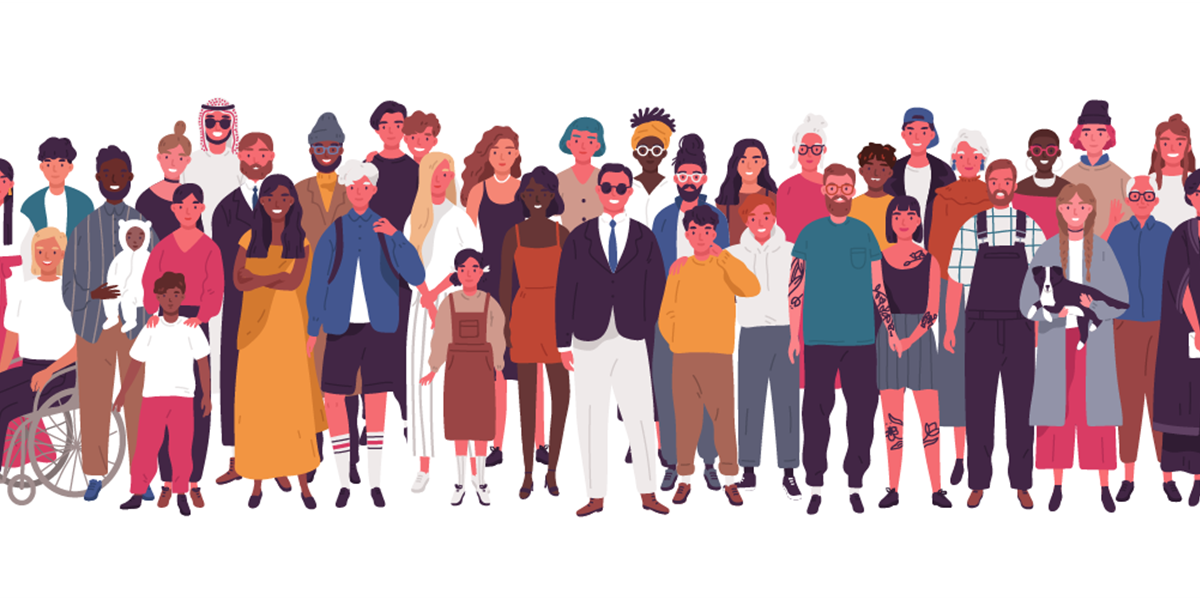
- What are your most important values? How important is diversity to you and what value does it bring? What are you doing to make sure everyone feels included?

- Remove biased language from job descriptions Reduce hiring bias with AI for recruiting Combine structured and unstructured interviews

- I'm not a recruiter, but I have worked with many recruiters and have also recruited candidates for many roles. While I cannot offer any specific lessons here, I can certainly explain how to put together an diverse set of questions and interview tools that may help with more inclusive recruitment.

- I have build several teams, both physical and virtual, which required managing diversity, so that they worked properly and could get the job done. I attribute the success of these teams to the fact that communication channels were always open, hierarchies were simple, and collaboration between people and teams was encouraged.
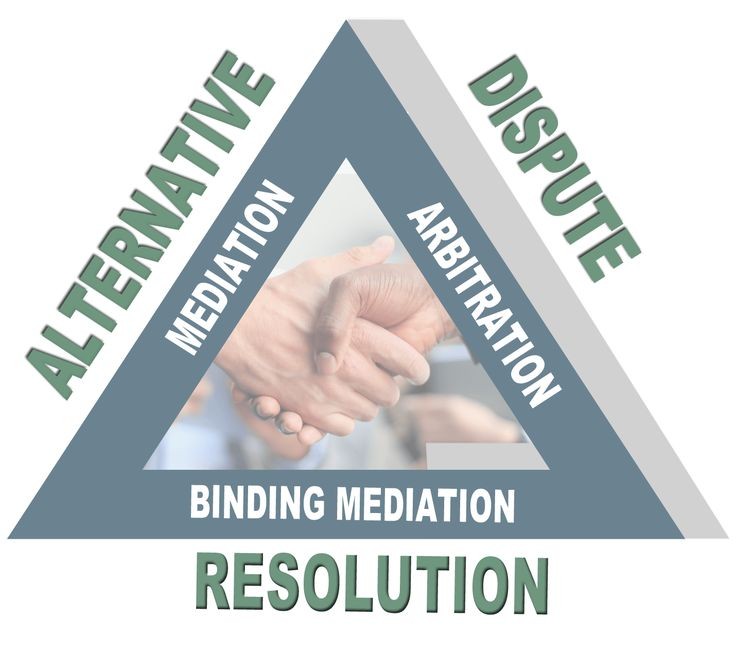
- Understand the situation. Be patient and take your time. Avoid using coercion and intimidation. Focus on the problem, not the individual. Keep the communication open.
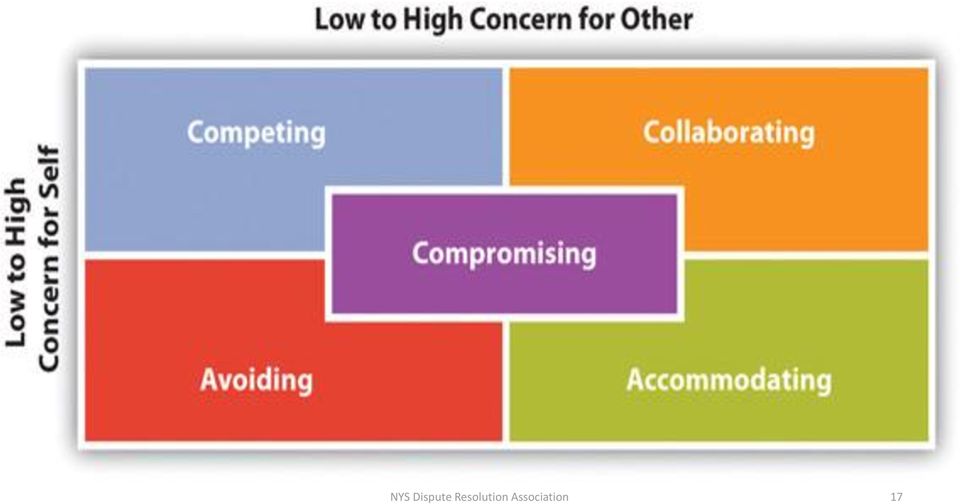
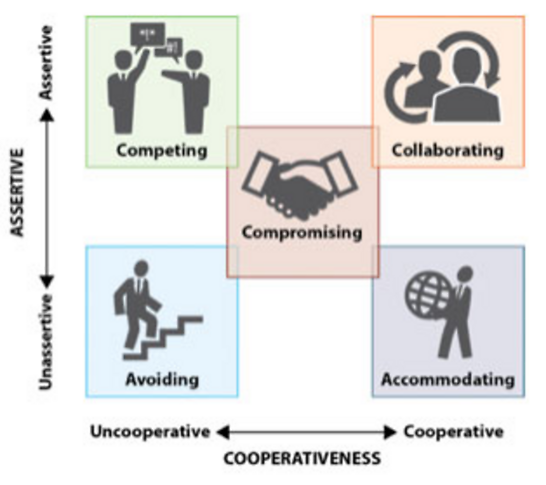
- I find that younger colleagues are more competitive and older colleagues are more collaborative. Adversely, older colleagues are often more avoiding of younger ones, whereas younger colleagues are more accommodating of older ones.
- It could be good to have regular meetings of all store managers, provided that the store managers come from diverse backgrounds already. If not, obviously that would be the first goal. Perhaps create diversity goals and regular sessions, which incorporate all level of the organisation or even the customers. The different people need to learn about their different points of view and also it needs to be very clear what the Banana Republic standards are. These standards must not be discriminatory and must apply to all employees.

- I once ran a restaurant and, after we changed the chairs for the guests to a newer model, had a regular guest complain about the new chairs and request the old chairs to be brought back. When he explained why, it made sense and we actually changed the chairs again. He had mobility issues and needed chairs with armrests and backrests to assist him getting around the restaurant and also sitting down. If such chairs were present, he could navigate the restaurant by himself, but without them he relied on help. Naturally, he wanted to be as self sufficient as possible and not rely on the help of others for simple tasks like navigating a restaurant.
- The government should listen to people from diverse communities and should encourage them to bring forward ideas to make things more diverse and inclusive.

- I once spend time in prison in a non-Western country and have first-hand insights into how discrimination and non inclusive organizations make life difficult for people from minority communities, but also how such communities worked together to help each other in the face of being discriminated against.
- Don't expect it to juts happen, it needs to be build actively. Create a Respect Initiative, make Respect a hiring variable, ask questions about Respect during the hiring process, if possible add a culture champion to the team, train teams and managers on communication, how to spot potential problems early, and how to deal with them.

- At the very least, it will extend the problems and enforce the current status quo. It will stop progress and make it more difficult to police the community in an inclusive manner. At the worst, it can lead to people dying from police brutality as we have seen multiple times in the US and other countries.

- Encourage open communication, but also continuous learning. Many people simply don't know enough about the LGBT communities, so learning more about them will help them to understand LGBT people better.

- I was once asked to be part of a task-force, led by LGBT colleagues, to build an open framework for how the company encourages diversity and allies with LGBT communities. I learned many things from this process, which I can pass on.
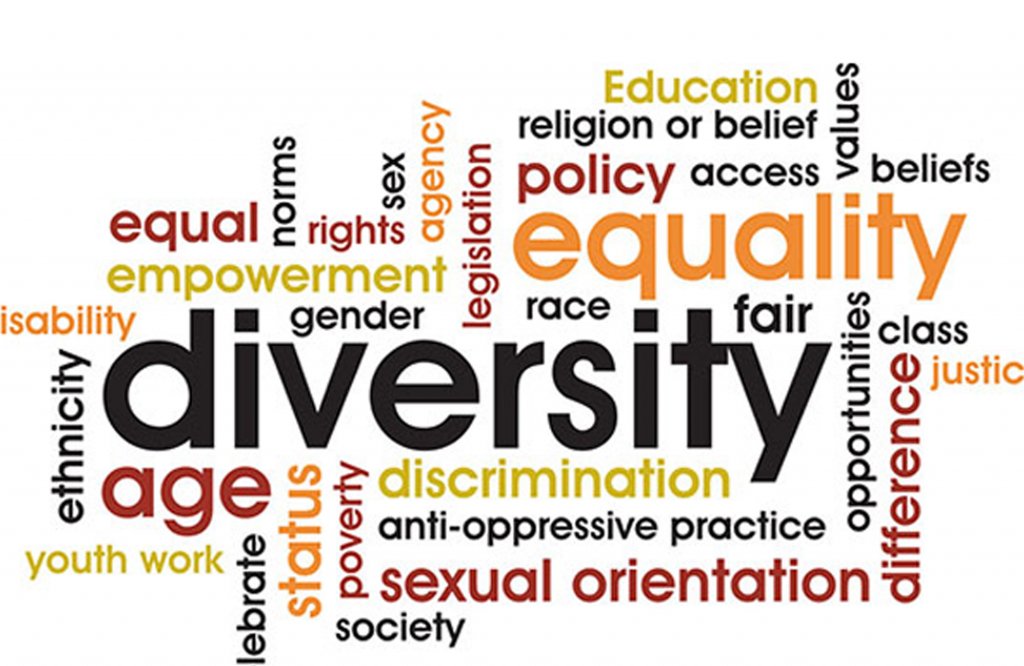
- If this is in a group setting, we could use two groups tackling the same problem: One diverse group and one not diverse group. We could then compare the approach each group took to solve the problem and see if the more diverse group has come up with a better solution to the problem.

- I think hoping alone will not fix the problem. One needs to be the change. Sonia should take more active steps to make the situation better, e.g. she can voice her concerns to HR or get colleagues who think like her on board and try and affect change.

- If a company starts out already not diverse, it will be more difficult to acquire diversity and inclusion. Also, if there are no laws, it will stop some companies from actively putting in place such measures.

- Diverse organizations are more innovative and creative Diverse organizations solve problems faster Diverse organizations make better decisions and are more adaptable Diverse teams are more productive and perform better Diverse companies are seen as better employers

- I spent some years working with an organisation that worked with immigrants and refugees and I have many experiences from that time, which could be used here.