Poonam Pandit
Managing Partner at Think Act Consulting

I’m an organisational psychologist, executive coach, and founder — working with leaders who want to lead differently. My approach is shaped by a belief that organisational change should...
Show More
- Leadership Development: Enhancing executive skills for effective teams
- Executive Coaching: Personalized guidance for leaders’ growth journeys
- Organisational Change Management: Strategies for thriving in transformative transitions
- Succession Planning Frameworks: Ensuring smooth leadership transitions and continuity
- Cultural Transformation Strategies: Designing workplaces that foster engagement and inclusivity.
Meet the mentor

Tricky Workplace Situation Handled
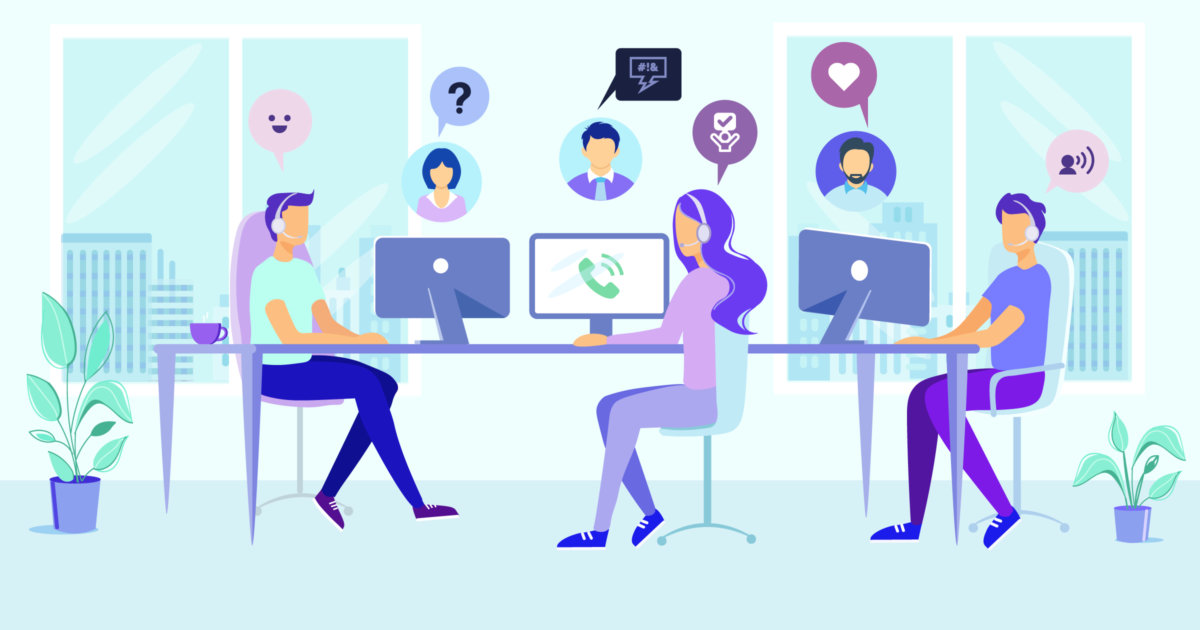
- Strong, Bold, Honest, and possibly true considering the competitiveness in the market. Also unrealistic, it's not possible to make raving fans with all customers as their personality types are different. Demonstrating credibility and ability to deliver is critical too.

- Customized experience that is tailored to their needs. Relationship building and continued contact beyond the project. Providing market insights and other useful materials. Make them feel uniquely special. Customers need to be involved in the decision. Make realistic promises. Provide a high level of service.
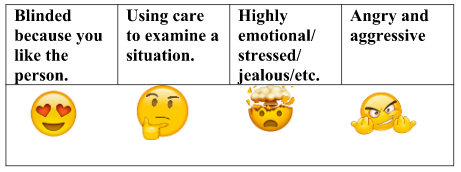
- Help: Taking care to examine the information Harm: Blinded because I like you, highly emotional, jealous, angry and aggressive
- Subjective judgments or writing is based on personal opinions, interpretations, points of view, emotions, and judgment. It is often considered ill-suited for scenarios like news reporting or decision making in business or politics. Objective information or analysis/judgment is fact-based, measurable and observable.

- You are likely to listen to respond rather than understand, misunderstanding, aggressive behavior, unlikely to listen to people. Negatively impacting the conversation and making the wrong decision. Negative impact on the others and the business. Misleading others/business based on very little facts.
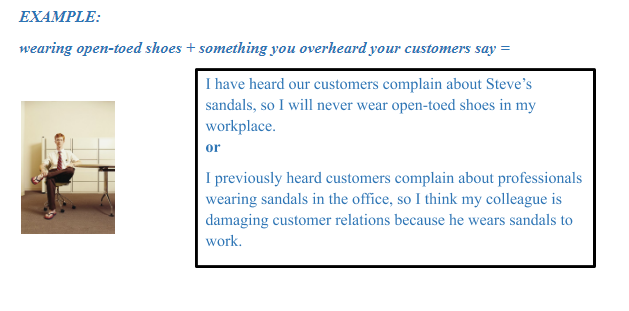
- Having experienced an open office environment, I can say that it doesn't create a positive environment, there is a lot of noise and its difficult to focus.
- I have heard staff notice that you are sleeping at your desk, you must be tired or stressed. What's up?
- Reading a recent research on stand up desks shows that it is better for your concentration levels and reducing common sitting at your desk related injuries. It is better.
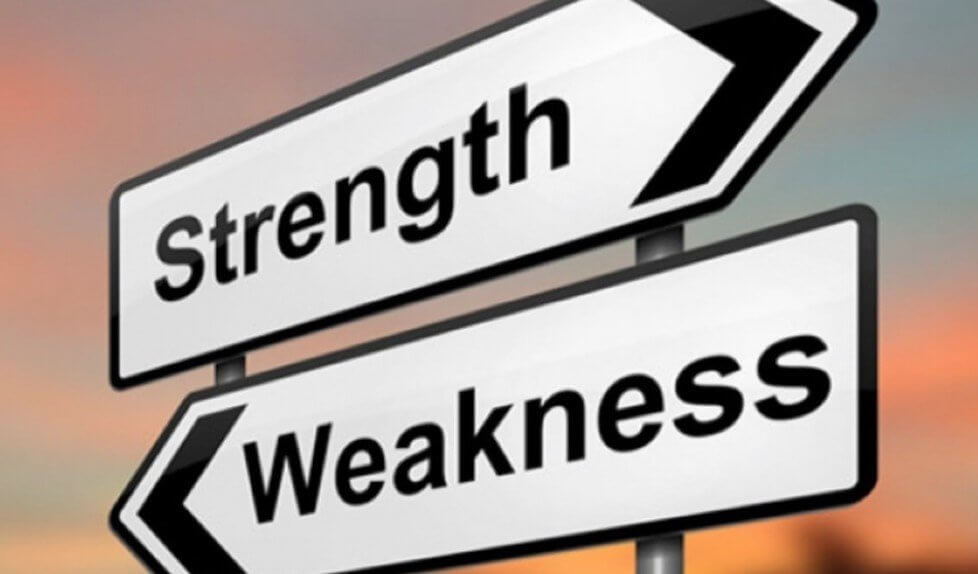
- Weakness
- Strength
- Weakness
- Strength
- Weakness
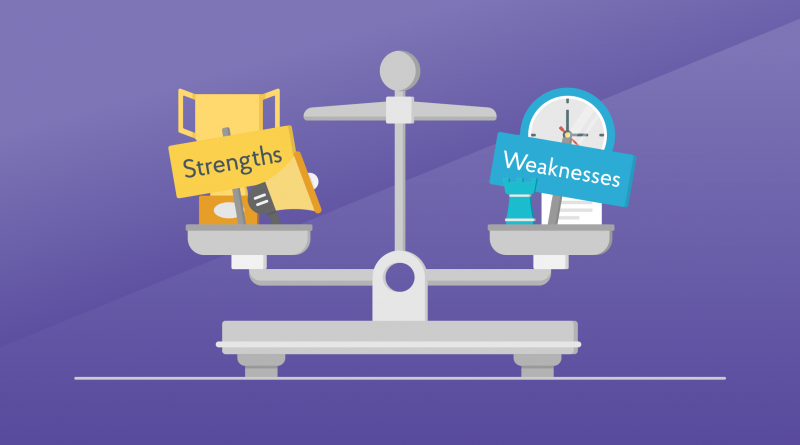
- Knowing your own strengths and weaknesses gives you a better understanding of yourself and how you function. Understanding your strengths keeps you ahead in a lot of things. For instance, if you are looking at career options, you would be able to narrow down specific job scopes based on the things you know you are good at. It also helps you to grow more. Knowing what you can excel at enables you to aim higher and achieve much more. Knowing your weaknesses gives you a clearer understanding of things that may be holding you back, and you can then work around finding ways to not let your weaknesses pull you behind.

- Strengths: Relationship Building, Self reliant and self management, Listening, Creative, Strong communication, Organised, Strategic thinking, Flexible and Adaptable, Resilience.
- Weaknesses: Difficulty to say no, Low confidence (for certain things), Speaking up for myself in difficult situations, delegating, patience

- Recognize and accept your strengths & weaknesses. Get guidance from someone you trust. Be very prepared. Self Compassion. Hire the skills you lack; or collaborate with others. Get comfortable with 'good enough.' Look for ways to serve others with the same problem.

- Innovators tend to do things from a different angle of perspective, unlike others. They firmly believe in this principle, and create an environment for their followers, equipped with tools and resources to break the status quo, consider the sky as limit and advance themselves to achieve growth. an innovative mindset is not afraid to dream, create, experiment, nor fail. They keep hustling even when they face adversities. They rarely lose their composure and have immense levels of patience. In addition to that, they are so full of self-belief that they see an obstacle as an opportunity to learn by identifying its strengths, weaknesses, opportunities, and threats. They believe in diversity and emphasis on the need to have multiple point-of-views to remain impartial and gain a total understanding of the situations and challenges posed from technical, organizational, and economic grounds. They always prefer taking risks to shortcuts for steady growth. Continuous reflection; Unattached exploration; Action-oriented; Opportunity-focused; Mental resilience; Intellectual humility; Courage; Sensitivity towards uncertainties; Designing valuable experiments; Implementing learning and idea adaptation.
- Asks different questions, focuses more on the problems you are trying to solve, or the unmet need, asks why not. They are concern about a problem that might need to be solved that is worth saving, regardless of if there is a product there or not. Thinking expansively and bring their voices for new pricing models, supply chain, etc. Great innovators surround themselves with people unlike them and open to differences for of opinions. E,g. cybersecurity professions. Get out of your silo.

- Yes, by being open to diverse perspectives, looking at collaborating to fulfill a need that has evolved from the current situations and enjoying the process rather than focusing on a product. There needs to be an appetite to take risks in order to create change.
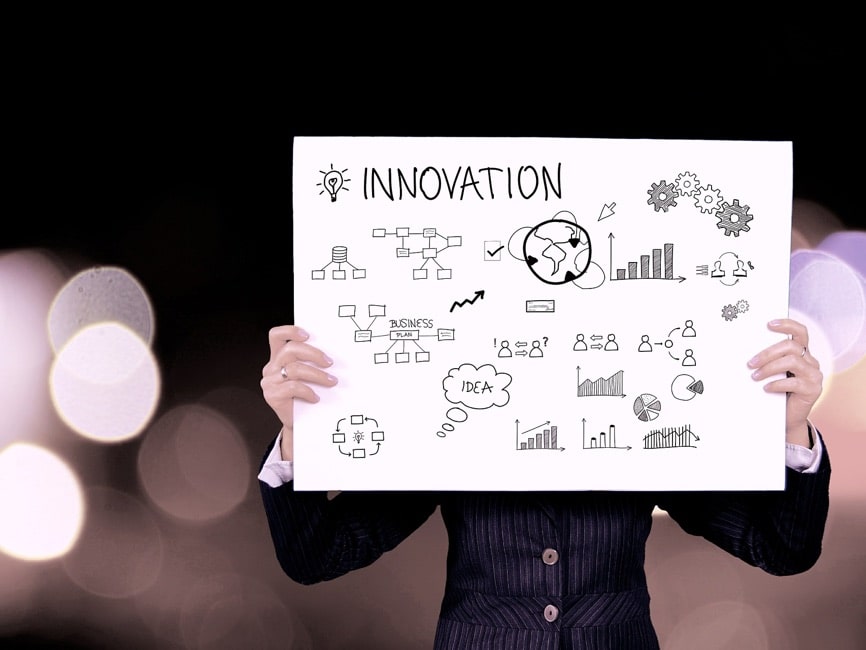
- Firstly, a look at the organisational culture and what behaviours are being rewarded is key. So creating opportunities (no matter how small) to facilitate the mental space of staff, teams and their managers. Simple tips would be: To demonstrate openness to new ideas or what might seem out there. To brainstorm regularly with others and by yourself. Use agile methodology rather than waterfall Mixed group collaboration. Create a psychologically safe environment that doesn't blame people for things that don't work out. (Manager and above.) Read, learn and consume variety of content - it will broaden your mindset.